
Understanding LiFePO4 Charge Curves: A Comprehensive Guide
LiFePO4 batteries are becoming the top choice in modern energy applications such as golf carts, solar energy storage, RVs, and marine systems due to their unparalleled safety, high cycle life, and stable performance. Understanding LiFePO4 charge curves helps ensure maximum efficiency, extended lifespan, and safe charging behavior.
In this guide, CloudEnergy — a leading manufacturer of advanced LiFePO4 golf cart batteries in the USA — explains charge curves, voltage characteristics, and best practices for maintaining optimal performance.
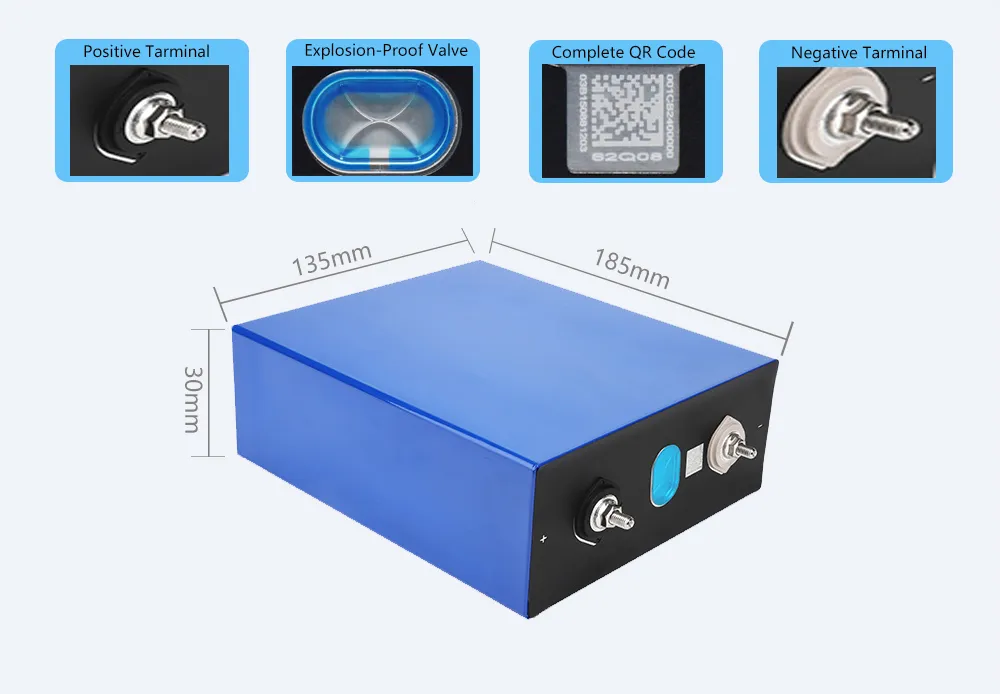
What Are LiFePO4 Batteries?
LiFePO4 (Lithium Iron Phosphate) batteries are a premium lithium-ion chemistry known for unmatched stability, long cycle life, and safe operation. They power demanding systems — especially golf carts, marine systems, RV power banks, and off-grid solar storage.
Key Benefits of LiFePO4 Batteries
- High energy density & lightweight
- Long lifespan — typically 3000-6000 cycles
- Superior thermal and chemical stability
- Fast charging with high efficiency
- Low self-discharge
- Safe, eco-friendly, maintenance-free design
CloudEnergy provides premium-grade LiFePO4 batteries engineered for extreme environments and high-power applications. Explore our battery lineup.
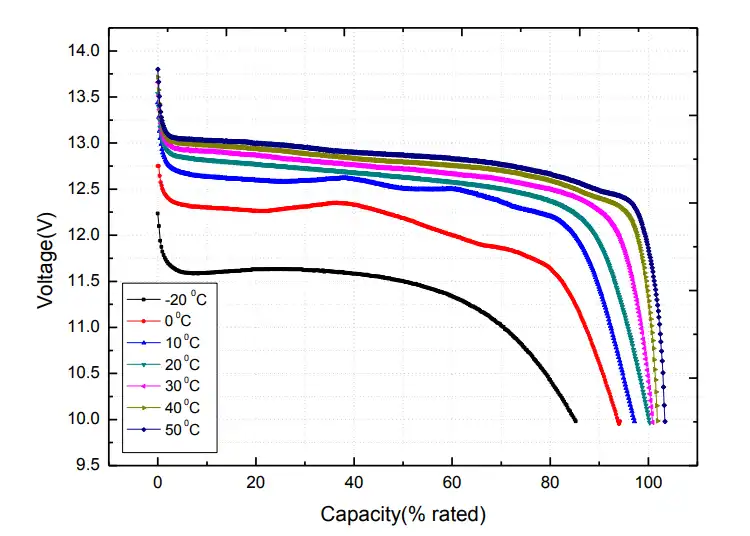
The Basics of LiFePO4 Charge Curves
A LiFePO4 charge curve shows the relationship between battery voltage, state of charge (SoC), and capacity during charging and discharging.
⚡ Why charge curves matter:
- Track battery SoC accurately
- Prevent overcharging or deep discharging
- Maximize battery life and performance
- Ensure safe and efficient operation
LiFePO4 Voltage & State of Charge Table
The table below shows typical LiFePO4 voltage vs SoC levels across common system voltages:
| Battery System | SoC | Voltage |
|---|---|---|
| 3.2V Cell | 100% | 3.65V |
| 3.2V Cell | 50% | 3.30V |
| 3.2V Cell | 0% | 2.50V |
| 12V Pack | 100% | 14.6V |
| 12V Pack | 50% | 13.2V |
| 12V Pack | 0% | 10.0V |
| 24V Pack | 100% | 29.2V |
| 24V Pack | 50% | 26.4V |
| 24V Pack | 0% | 20.0V |
| 48V Pack | 100% | 58.4V |
| 48V Pack | 50% | 52.8V |
| 48V Pack | 0% | 40.0V |

Charging & Discharging Characteristics
LiFePO4 charging involves two stages:
- Constant Current (CC): Battery voltage rises while current stays stable
- Constant Voltage (CV): Voltage holds while current declines until full
Using a proper LiFePO4 charger and BMS ensures safe, balanced charging and maximum life span.
Voltage Effects on Performance
Correct voltage management ensures:
- Longer cycle life
- Better power output
- Stable operating temperature
- Improved efficiency
CloudEnergy batteries include advanced BMS technology to regulate voltage and protect the pack during use.
LiFePO4 vs Other Battery Types
| Battery Type | Cycle Life | Efficiency | Safety |
|---|---|---|---|
| LiFePO4 | 3000-6000 cycles | ≈95% | High |
| Li-ion | 1000-1500 cycles | ≈90% | Medium |
| Lead-Acid | 300-500 cycles | ≈80% | Low |
LiFePO4 is clearly superior for long-term cost, safety, and performance.
Maintenance Tips to Extend Battery Life
- Use a LiFePO4-compatible charger
- Avoid deep discharge below 20% SOC
- Charge between 20%-90% for daily cycling
- Store around 50% charge when unused
- Keep batteries in cool, dry environment
FAQs
Q: What is the ideal LiFePO4 charge voltage?
A: 3.65V per cell (14.6V for 12V battery, 58.4V for 48V battery).
Q: Can I charge LiFePO4 with a regular lithium-ion charger?
A: No. Always use a LiFePO4-compatible charger.
Q: How to monitor SOC?
A: Use a BMS or Bluetooth monitoring system.
Final Thoughts
Understanding LiFePO4 charge curves is key to maximizing performance and battery life. CloudEnergy LiFePO4 golf cart batteries deliver higher efficiency, longer cycle life, and advanced BMS protection — designed for American golf cart owners and energy storage systems.
Ready to upgrade your golf cart performance? Explore CloudEnergy golf cart LiFePO4 batteries.


