CloudEnergy Announces Four UL 2271-Certified Golf Cart Lithium Batteries
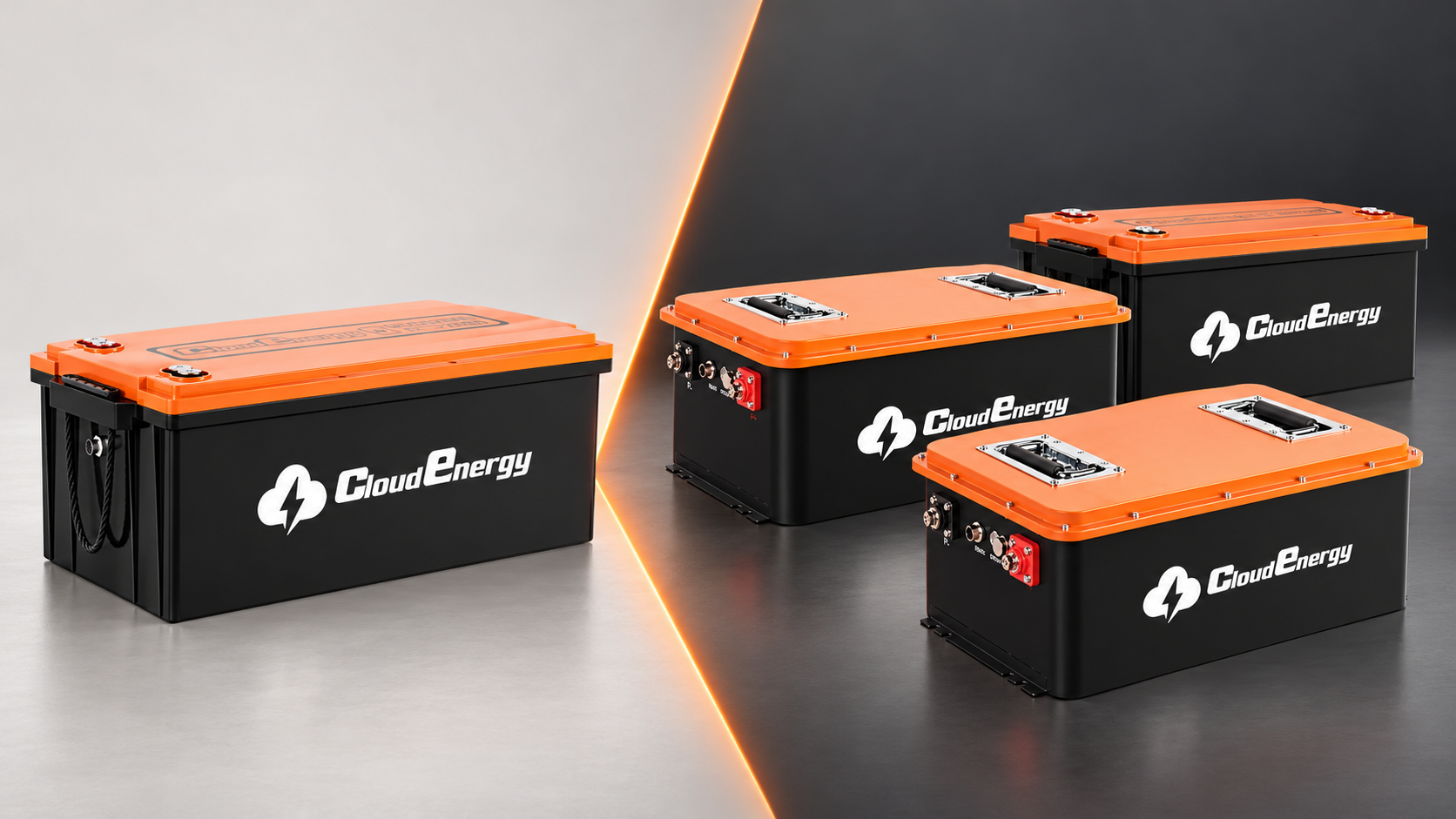
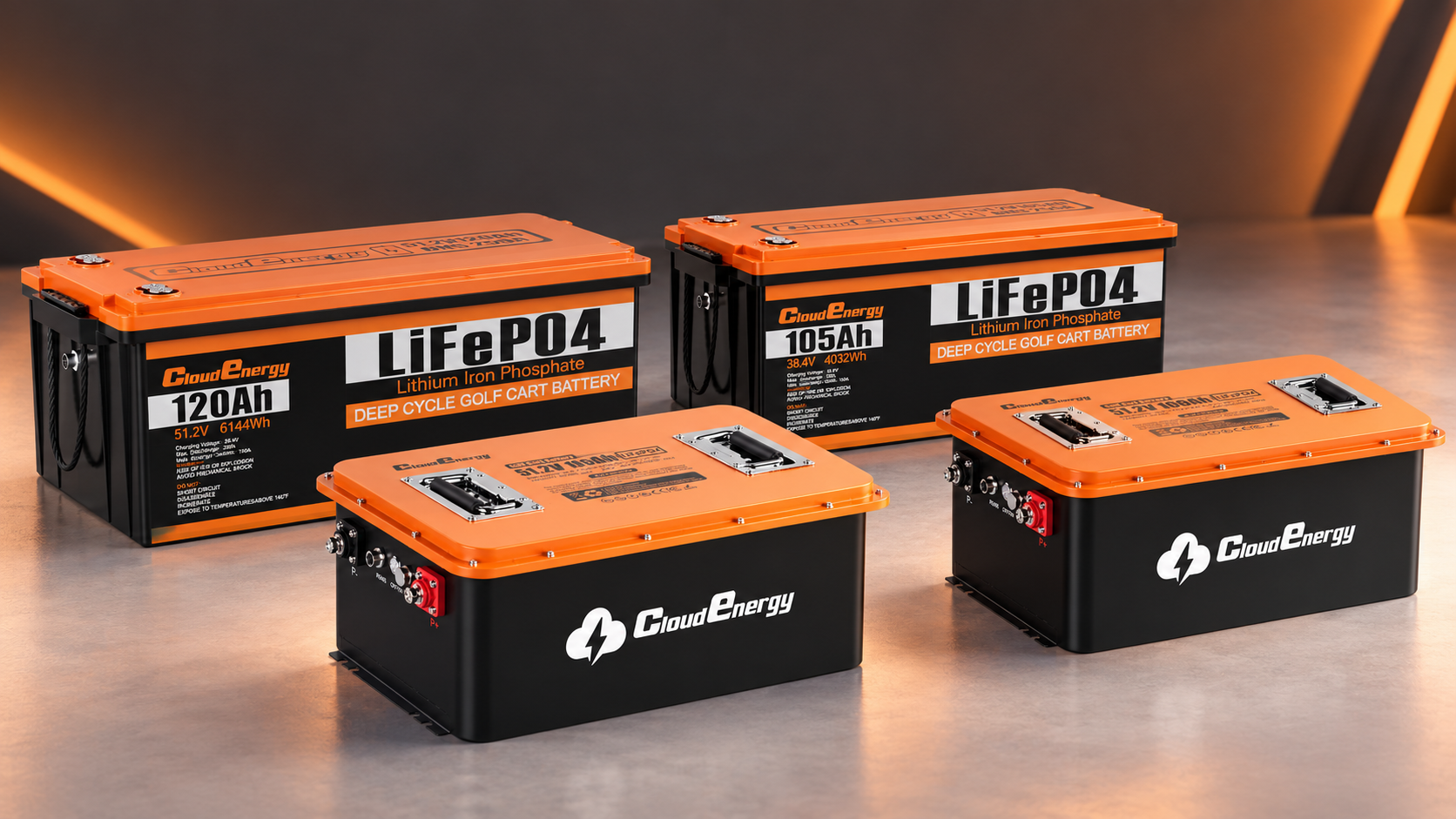
Four CloudEnergy LiFePO4 battery models developed for golf carts and other compatible light electric vehicle applications have achieved UL 2271 certification. The certified lineup covers one 36V-class battery and three 48V-class batteries, giving buyers a choice of 3.07kWh to 6.14kWh of nominal energy.
In brief: The four UL 2271-certified models are GFA36V-105Ah With Charger, GFS48V-60AH With Charger, GFS48V-105AH With Charger and GFA48V-120AH-R. Each model was evaluated to ANSI/CAN/UL/ULC 2271:2023.
Four certified models for different vehicle requirements
Golf carts do not all use the same electrical system or follow the same duty cycle. A 36V cart needs a different nominal battery voltage from a 48V cart, while capacity affects how much nominal energy is available between charges. CloudEnergy’s newly certified range addresses those differences without treating one configuration as the answer for every vehicle.
| Model | Nominal voltage | Capacity | Nominal energy | Configuration |
| GFA36V-105Ah With Charger | 38.4Vdc | 105Ah | 4,032Wh | 12S1P |
| GFS48V-60AH With Charger | 51.2Vdc | 60Ah | 3,072Wh | 16S1P |
| GFS48V-105AH With Charger | 51.2Vdc | 105Ah | 5,376Wh | 16S1P |
| GFA48V-120AH-R | 51.2Vdc | 120Ah | 6,144Wh | 16S1P |
The 36V 105Ah model is intended for compatible 36V-class platforms. Within the 48V group, the 60Ah model offers the lowest nominal energy and the lowest reported weight of the four, while the 105Ah model provides 75% more nominal energy than the 60Ah option. The 120Ah model provides the highest nominal energy in this certified group — 6.14kWh, or about 14% more than the 105Ah model.
These figures help narrow a shortlist, but they do not replace an application review. Controller demand, regenerative current, charger settings, battery-compartment dimensions, cable and terminal ratings, mounting, vehicle use and ambient conditions all need to be checked before selection.
What the UL 2271 certification addresses
ANSI/CAN/UL/ULC 2271:2023 is titled Batteries for Use In Light Electric Vehicle (LEV) Applications. It addresses electrical energy storage assemblies, including battery packs and modules, used in light electric vehicles within the standard’s scope.
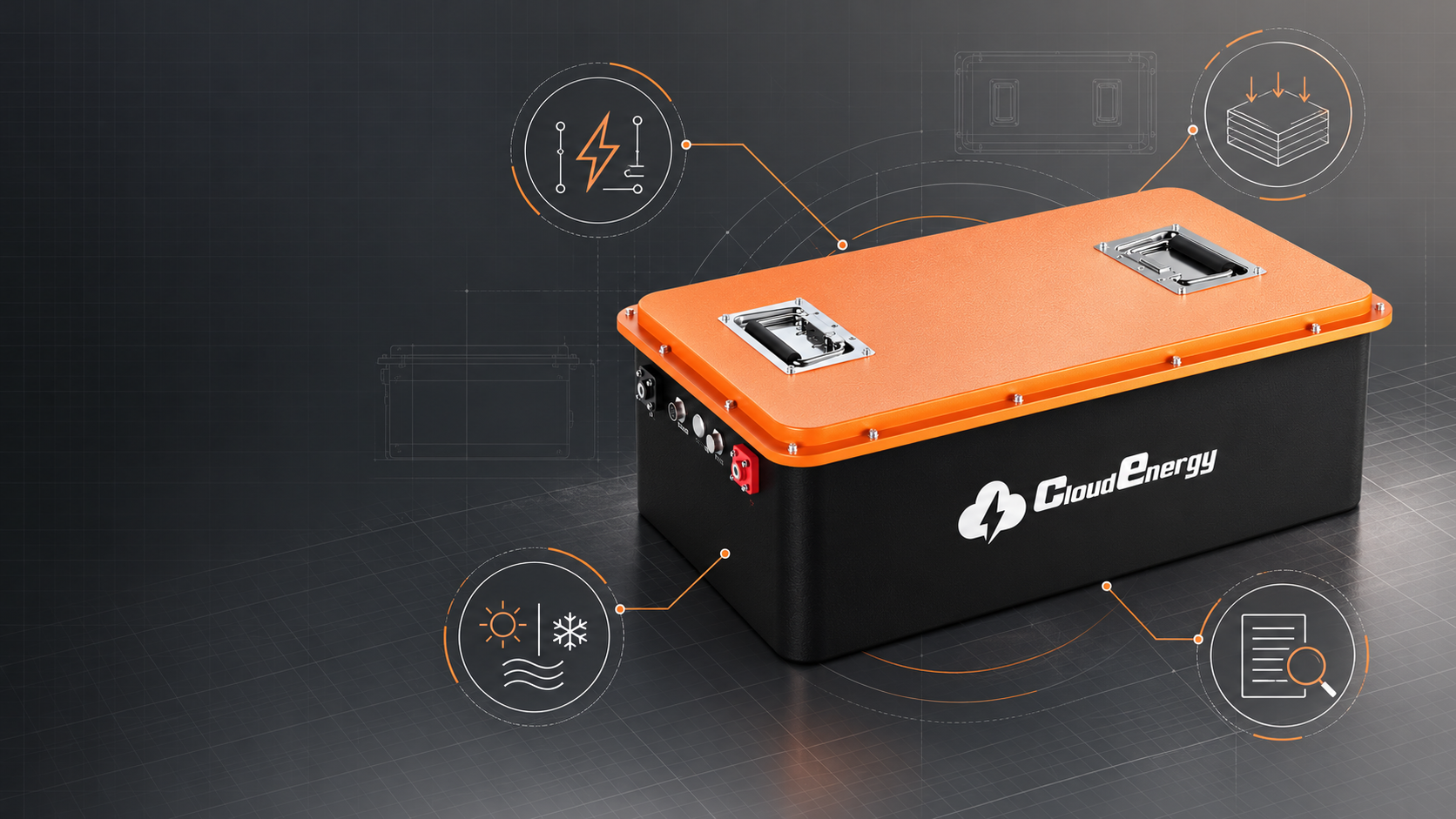
The evaluations documented for the four CloudEnergy models include overcharge, high-rate charge, short circuit, overdischarge, temperature, imbalanced charging, vibration endurance, shock, drop, mold stress relief, immersion, thermal cycling and label permanence tests. The product descriptions also identify protection circuits for overcharge, overdischarge, overcurrent and short-circuit conditions.
Certification should be understood precisely. It applies to the identified product models, not to CloudEnergy as an entire company and not automatically to other batteries with a similar voltage, capacity or appearance. UL 2271 also does not serve as a commercial endorsement, range rating or guarantee of vehicle compatibility. Buyers should evaluate the exact model and its published limits for the intended vehicle.
For a closer explanation of the standard, read What Is UL 2271? A Buyer’s Guide to Light EV Battery Certification.
Electrical limits that matter during selection
The certified models share several design characteristics, but their electrical limits are not identical.
The GFA36V-105Ah uses a 43.8V standard charge voltage and a 30V end-of-discharge voltage. The three 48V-class models use a 58.4V standard charge voltage and a 40V end-of-discharge voltage. Maximum charge current is 100A for all four. The reports list maximum discharge current at 250A for each model, while the standard discharge current differs by model.
Temperature limits also need attention. Reported discharge ranges extend from -20°C to 60°C for all four products. The reported charge range is 0-55°C for the two 105Ah models and 0-60°C for the 60Ah and 120Ah models. Those limits belong in charger programming, installation planning and operator guidance.
The practical point is simple: choose by the complete electrical and mechanical interface, not by amp-hours alone. A higher-capacity battery does not automatically have a higher discharge-current rating, and two batteries with the same nominal voltage may have different weight, enclosure and charging requirements.
Use the 36V vs 48V and 60Ah vs 105Ah vs 120Ah comparison to build a model-specific shortlist.
A clearer qualification path for buyers and integrators
For distributors, vehicle integrators and fleet operators, the expanded certified lineup creates a clearer starting point for technical review. Instead of asking whether a generic “48V lithium battery” will work, buyers can begin with an exact model and compare its nominal voltage, energy, current limits, charge profile and temperature range against the vehicle.
CloudEnergy can support that process with model-specific documentation and product information. If transport compliance is part of the project, request the applicable UN 38.3 and shipping documents separately. Transport testing and product certification serve different purposes, so procurement and logistics teams should keep both document sets in the project file. The UL 2271 vs. UN 38.3 comparison explains the distinction.
If you are planning a single-cart conversion, a fleet refresh or an OEM program, send CloudEnergy the cart voltage, controller model, maximum current, compartment dimensions, charger details and operating environment. The technical team can help identify which of the four UL 2271-certified batteries belongs on the shortlist.
Contact CloudEnergy to request a model recommendation and the current technical document package.
FAQ
Which CloudEnergy golf cart batteries are UL 2271 certified?
The certified models are GFA36V-105Ah With Charger, GFS48V-60AH With Charger, GFS48V-105AH With Charger and GFA48V-120AH-R.
Are all CloudEnergy batteries UL 2271 certified?
This announcement covers only the four exact models named above. Certification should not be extended to other models unless they are specifically included in the applicable certification record.
Does UL 2271 certification confirm golf cart compatibility?
No. It provides product-safety certification within the standard’s scope. Voltage, current, charger, controller, mounting and vehicle requirements must still be reviewed for the specific installation.
What is the highest-energy model in this certified lineup?
The GFA48V-120AH-R has the highest nominal energy at 6,144Wh. That is twice the nominal energy of the 3,072Wh GFS48V-60AH With Charger.
Does UL 2271 certification guarantee driving range?
No. Actual range depends on vehicle efficiency, speed, terrain, passenger and cargo load, tire size, temperature, battery condition and driving style.